Car specs, explained like a friend would.
Five minutes, no jargon. By the end you’ll know exactly what those numbers on a listing mean for your daily drive on Kenyan roads.
Updated

Photo: Bahnfrend · CC BY-SA 4.0, Wikimedia Commons
Horsepower (hp): how fast can you run?
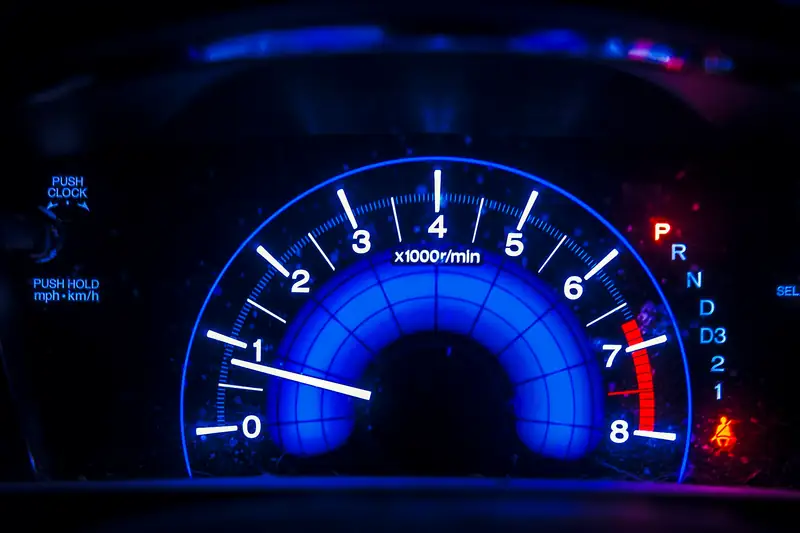
Photo: Daniel Case · CC BY-SA 3.0, Wikimedia Commons
Think of a sprinter. Horsepower decides how quickly you can gain speed when you’re already moving — overtaking that slow lorry on the Nakuru highway, or merging onto the Expressway. More horsepower = faster acceleration at speed and a higher top speed. But more also usually means more fuel, bigger tyres and higher insurance.
| 70–110 hp | City | Vitz, Demio, Fit. Perfect for town and fuel-sipping. Plan overtakes carefully with the AC on and a full car. |
| 110–170 hp | Everyday | Axio, Premio, Harrier, Forester. Comfortable everywhere; overtakes need a clear stretch. |
| 170–250 hp | The sweet spot | Prado 2.8, Outback, CX-5 diesel. Safe, confident overtaking even fully loaded. |
| 300–600+ hp | Performance | LC300, G63, M5. Effortless — and expensive to feed. |
Torque (Nm): how much can you lift?
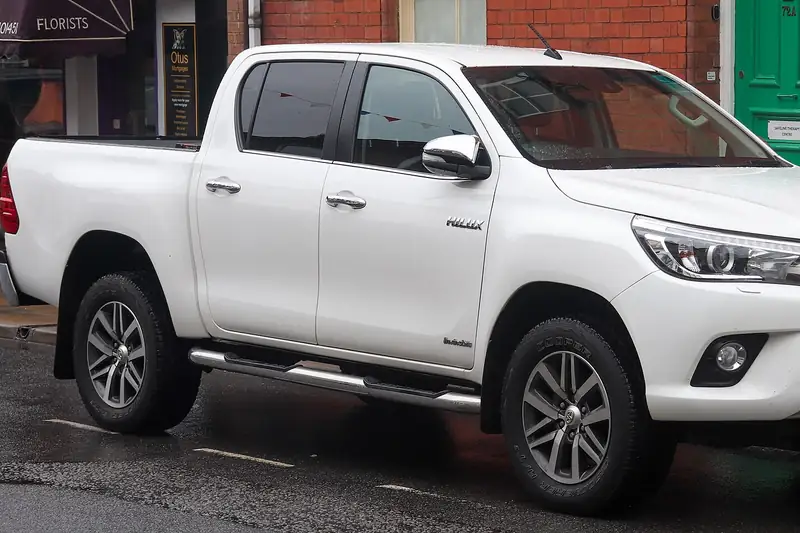
Photo: Vauxford · CC BY-SA 4.0, Wikimedia Commons
Think of a weightlifter. Torque is twisting muscle — the shove you feel pulling away from the lights, climbing Mai Mahiu with the family, or dragging yourself out of mud at the shamba. High torque at low engine speed means the car feels strong without revving loudly. That’s why turbo-diesels (lots of torque) are loved for upcountry trips and pickups.
| 100–180 Nm | Light | Small petrol cars. Fine in town; feels strained up long hills when loaded. |
| 180–300 Nm | Moderate | Most family petrol cars and SUVs. |
| 300–500 Nm | Strong | Turbo petrols and most turbo-diesels. Relaxed hill climbs. |
| 500+ Nm | Very strong | Prado 2.8, Hilux, LC300, V8s. Tows, climbs and carries anything. |
Old racing saying: “Horsepower is how fast you hit the wall. Torque is how far you take the wall with you.”
Cylinders: the size of the kitchen crew
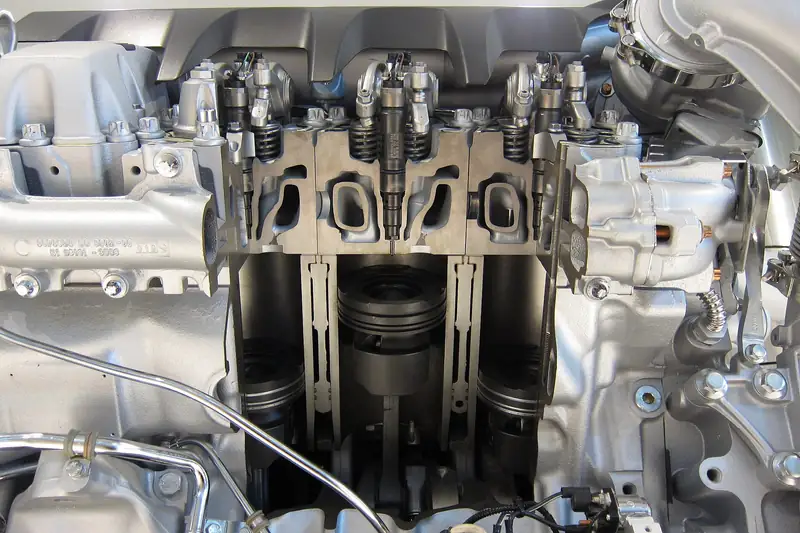
Photo: Olivier Cleynen · CC BY-SA 3.0, Wikimedia Commons
Each cylinder is a cook in the engine’s kitchen, burning fuel to push a piston. More cooks make more power and run more smoothly — but they eat more and cost more to employ. “V6” or “V8” just means the cylinders sit in two angled rows (a V). “Inline-4” means one straight row. “Boxer” (Subaru) means two flat rows facing each other.
- Electric — no cylinders — The silent sprinter. Instant, silent shove the moment you touch the pedal. No gears, no vibration. No oil changes or spark plugs. Charging at home costs a fraction of fuel, but specialist repairs are still rare in Kenya.
- 3 cylinders — The frugal trio. Light and nimble with a slight thrum at idle. Happiest in town. Very low fuel use, cheap parts. Feels breathless on long hills when loaded.
- 4 cylinders — Kenya’s workhorse. Smooth enough, economical, and strong when turbocharged — especially as a diesel. Parts on every street in Kirinyaga Road, and every mechanic knows them. The safest first-car choice.
- 6 cylinders — The silk-smooth cruiser. Naturally balanced and refined, with effortless highway pace. Noticeably thirstier than a 4. Servicing costs more, but parts for Toyota/Lexus V6s are easy to find.
- 8 cylinders — The baritone heavyweight. Deep rumble, huge pulling power, and serious presence on the road. Expect roughly 5–8 km/L. Insurance and parts climb sharply on European V8s.
Engine size (litres / cc): how big are the lungs?
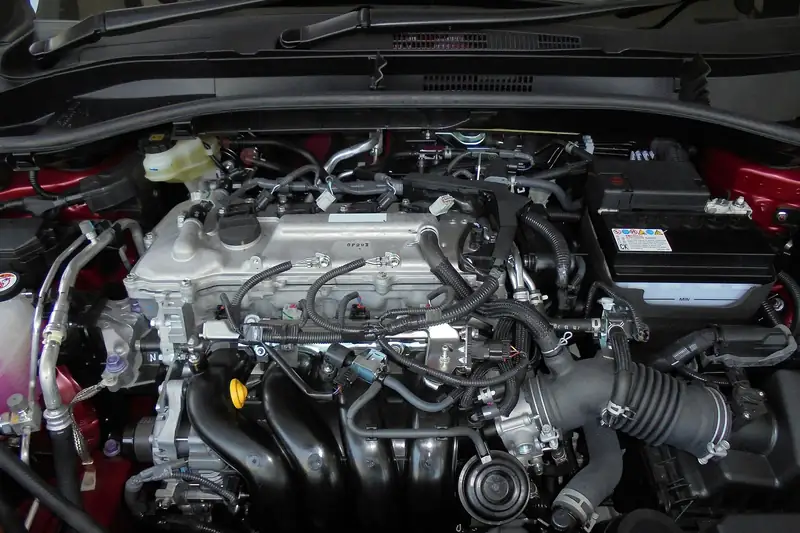
Photo: オーバードライブ83 · CC BY-SA 4.0, Wikimedia Commons
Engine size is the total space inside all the cylinders: 1,500 cc = 1.5 litres. Bigger lungs usually mean more power and more fuel. But a turbo can make a small engine punch above its size — a 2.0L turbo can beat a 3.5L without one.
Kenya tip: engine size affects import duty and insurance. Under 1,500 cc is the cheapest bracket; above 3,000 cc petrol / 2,500 cc diesel gets expensive.
Petrol, diesel, hybrid or electric?

Photo: Bahnfrend · CC BY-SA 4.0, Wikimedia Commons
- Petrol — quiet, smooth, revs freely, cheaper servicing. Thirstier than diesel on long trips and when loaded. Best for town driving, school runs and short commutes.
- Diesel — big low-down torque, great range, loves loads and hills. Needs clean fuel and correct servicing; injectors and turbos are costly. Best for upcountry trips, safaris, towing and pickups.
- Hybrid — excellent economy in traffic: the motor does the stop-start work. Older hybrid batteries can need replacing; check its health. Best for Nairobi traffic, Uber/Bolt and high-mileage commuters.
- Electric — instant torque, silent, no oil changes; charging at home is cheap per km. Public chargers are still few outside Nairobi; specialist repairs. Best for urban drivers with home parking and a socket.
Drivetrain: which wheels do the work?
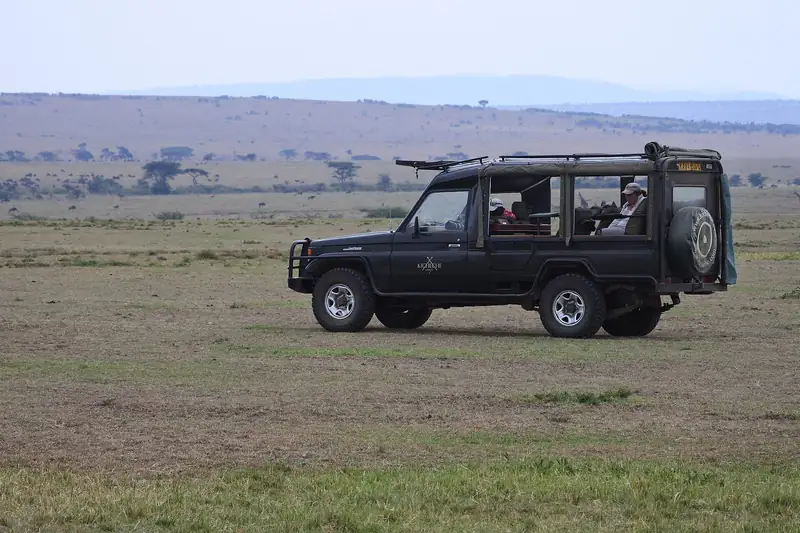
Photo: flightlog · CC BY 2.0, Wikimedia Commons
- FWD — front-wheel drive. Most small cars. Light, economical, predictable. Fine on tarmac and light murram.
- RWD — rear-wheel drive. Sporty saloons and older pickups. Balanced handling; less grip on wet or loose roads.
- AWD — all-wheel drive. Subaru, RAV4, X-Trail. Grip on all four, automatically. Great in the rains.
- 4WD — four-wheel drive + low range. Prado, Hilux, Land Cruiser. Extra-low gears and diff locks for serious off-road and steep tracks.
Gearboxes in one minute
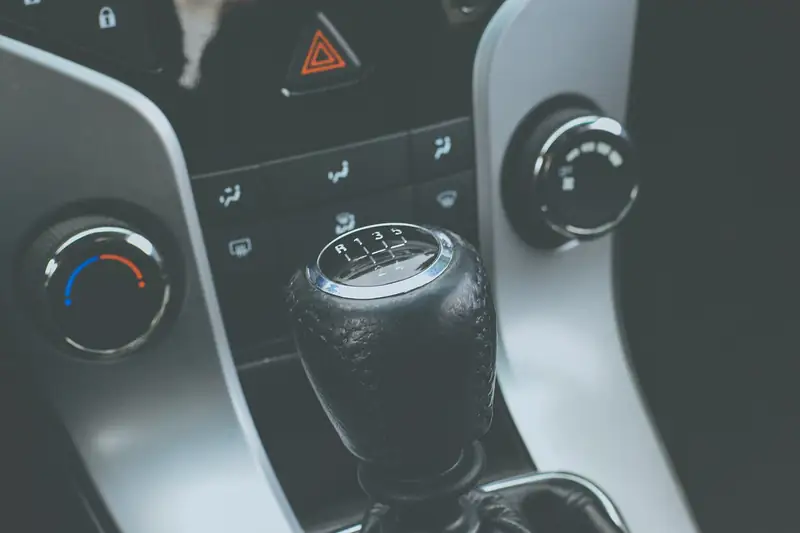
Photo: Pommeau · CC BY-SA 4.0, Wikimedia Commons
- Automatic — changes gear for you. Easiest in Nairobi traffic.
- Manual — you change gears with a clutch. Cheap to maintain, more control off-road.
- CVT — an automatic with no steps: very smooth and economical. Change the fluid on schedule.
- Dual-clutch — a fast, sporty automatic. Brilliant on the open road; can be jerky in jams.
Ground clearance (mm): will it scrape on the bumps?

Photo: CT Cooper · CC BY 3.0, Wikimedia Commons
Ground clearance is the gap between the road and the lowest part of the car. In Kenya — with tall speed bumps, potholes and rainy-season ruts — it matters more than almost anywhere.
- Low (under 140 mm): Will scrape on many Kenyan bumps and potholes. Best kept on smooth tarmac.
- Saloon (under 170 mm): Fine on tarmac. Take bumps slowly, at an angle, and avoid deep ruts.
- Raised (under 200 mm): Handles most estate roads, speed bumps and the odd murram stretch.
- SUV (under 230 mm): Comfortable on murram, rough estate roads and through rainy-season puddles.
- Off-road (230 mm and up): Built for rough tracks, game drives and flooded roads.
Frequently asked questions
What is horsepower in a car?
Horsepower (hp) is how fast the engine can do work. More horsepower = faster acceleration and easier overtaking at speed. Rough guide for Kenya: 70–110 hp suits town driving (Vitz, Demio, Fit); 110–170 hp is comfortable everywhere (Axio, Premio, Harrier); 170–250 hp is the sweet spot for safe overtaking fully loaded (Prado 2.8, Outback, CX-5 diesel).
What is torque, and why does it matter?
Torque (Nm) is twisting force — the shove you feel pulling away, climbing hills or carrying a load. Diesels are famous for it. Below 180 Nm is fine in town but strains on long hills when loaded; 300–500 Nm makes hill climbs relaxed; 500+ Nm (Prado 2.8, Hilux, Land Cruiser) tows, climbs and carries anything.
Horsepower vs torque — what’s the difference?
Horsepower is how fast the engine can do work — it decides acceleration at speed and overtaking. Torque is the twisting force you feel pulling away, climbing hills or carrying a load. Turbo-diesels have lots of torque; small petrol engines rely on revving for power.
What does engine size (cc) mean?
Engine size (litres or cc) is the total volume of the cylinders. Bigger usually means more power — and more fuel. 1,500 cc = 1.5 litres. In Kenya, engine size also sets the excise duty band on imports and affects insurance: under 1,500 cc is the cheapest bracket; above 3,000 cc petrol or 2,500 cc diesel is the most expensive.
How many cylinders should my car have?
Cylinders are the chambers where fuel burns to push pistons. More cylinders = smoother and more powerful, but thirstier and costlier to fix. A 4-cylinder is Kenya’s workhorse — parts are everywhere and every mechanic knows them. 6 and 8 cylinders are smoother and stronger but noticeably thirstier.
What is ground clearance and how much do I need in Kenya?
Ground clearance is the gap between the road and the lowest part of the car. Higher clears Kenyan bumps, potholes and murram. Under 140 mm scrapes on many bumps; 150–170 mm is fine on tarmac if you take bumps slowly; 180–200 mm handles estate roads and some murram; 200 mm+ is comfortable on murram and in the rains.
AWD vs 4WD — what’s the difference?
Which wheels are driven. FWD/RWD = two wheels; AWD = all four automatically; 4WD = all four with a low-range gearbox for serious off-roading. AWD (Subaru, RAV4, X-Trail) is great in the rains and on murram. 4WD with low range (Prado, Hilux, Land Cruiser) is for steep, rough and muddy tracks.
What is a CVT gearbox?
A CVT is an automatic with no gear steps — very smooth and economical, and common in Japanese imports like the Axio, Fielder, Vitz and Note. Change the CVT fluid on schedule and listen for whine or shudder on a test drive.
Petrol, diesel, hybrid or electric — which is best in Kenya?
Petrol: quiet, smooth and cheaper to service — best for town and short commutes. Diesel: big low-down torque and range — best for upcountry trips, towing and pickups, but needs clean fuel and correct servicing. Hybrid: excellent economy in traffic — best for Nairobi commuting and Uber/Bolt. Electric: instant torque and cheap home charging, but public chargers are still few outside Nairobi.
What does km/L mean?
Fuel economy in km per litre — how far you go on one litre. Higher is cheaper to run. At KES 226.96 per litre of petrol (EPRA Nairobi, 15 Oct – 14 Nov 2026), a car doing 15 km/L costs about KES 22,700 a month for 1,500 km; at 8 km/L about KES 42,600.
Explainers: problems, drivetrains and buying
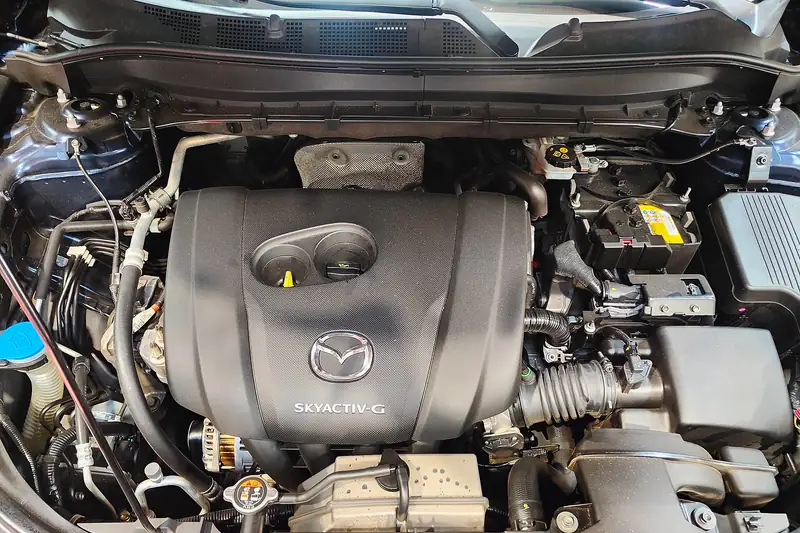 Mazda SkyActiv engines: common problems and how to avoid themCommon problems
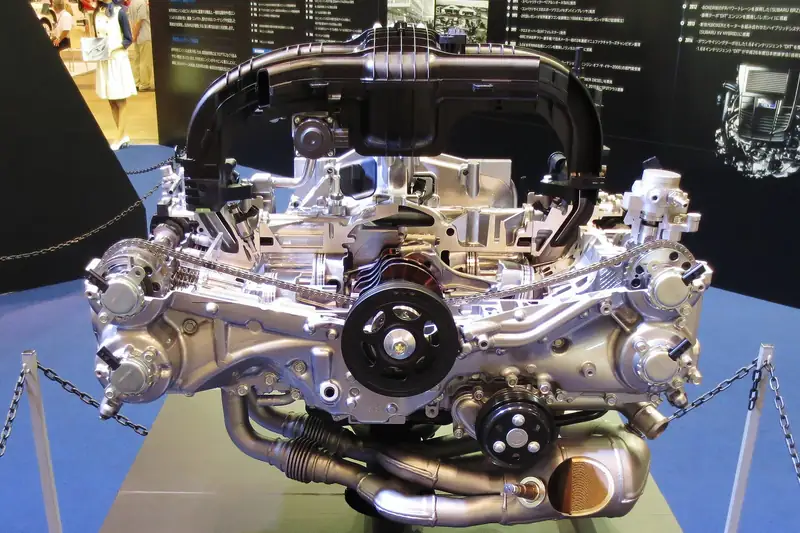 Subaru CVT and boxer engines: reliability and maintenance in KenyaCommon problems
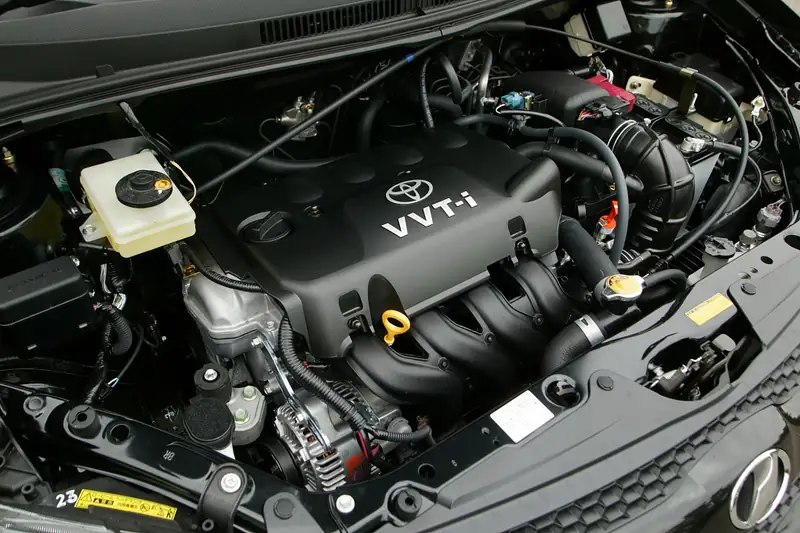 Toyota VVT-i and Valvematic engines: common issues and fixesCommon problems
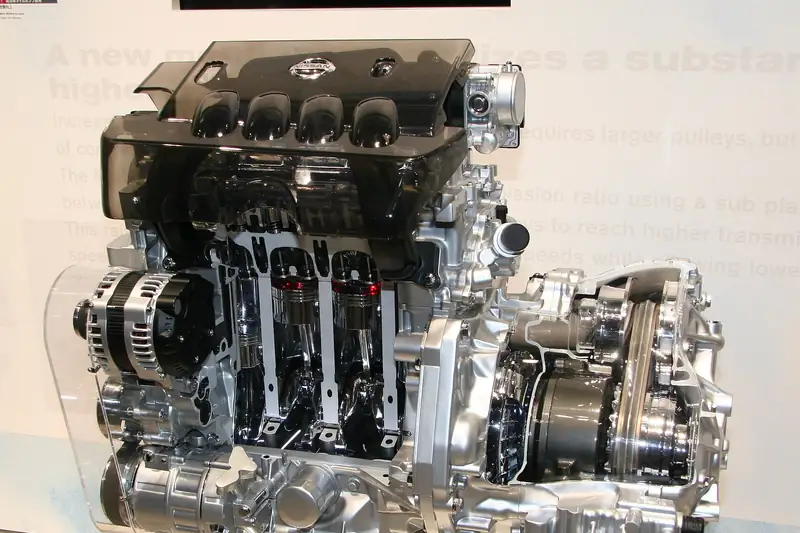 Nissan CVT gearboxes: what goes wrong and how to avoid itCommon problems
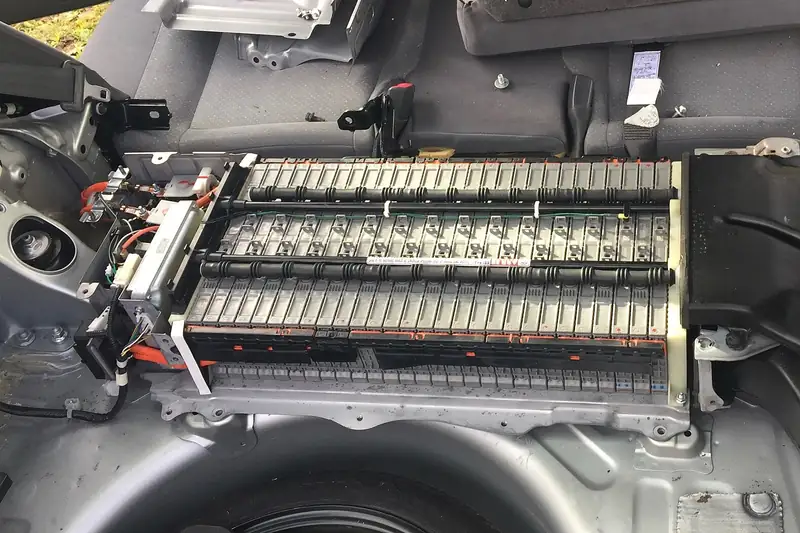 Hybrid cars in Kenya: battery lifespan, warning signs and replacementCommon problems
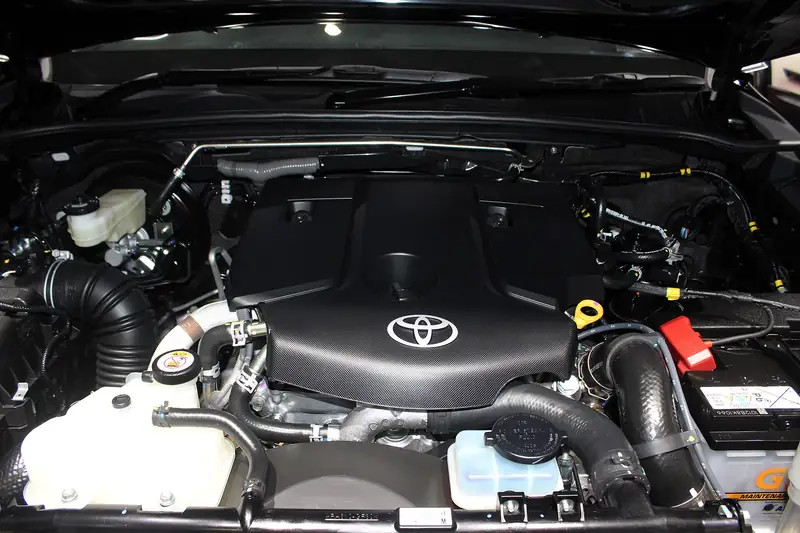 Modern diesels in Kenya: DPF, injector and turbo problemsCommon problems
 AWD vs 4WD: which do you need in Kenya?Explainer
 Ex-Japan vs locally used cars: which should you buy in Kenya?Buying guide
 Car loans and asset finance in Kenya: how they workBuying guide
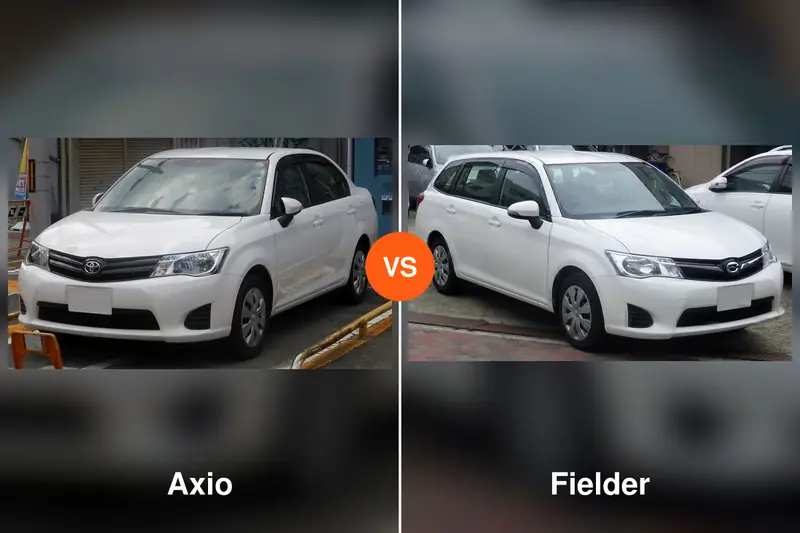 Toyota Axio vs Fielder: what’s the difference?Comparison
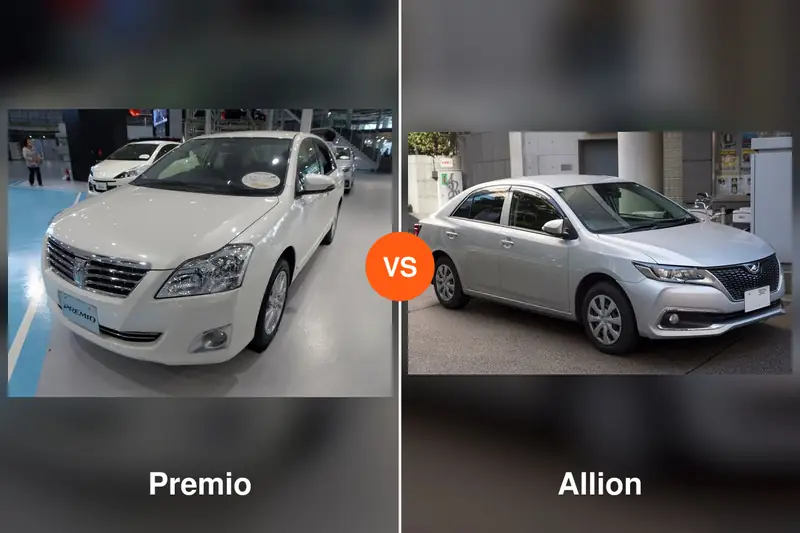 Toyota Premio vs Allion: what’s the difference?Comparison
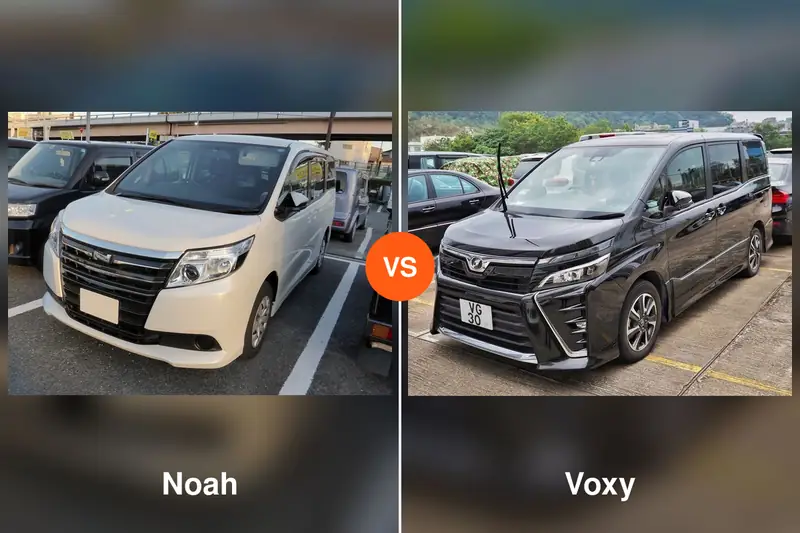 Toyota Noah vs Voxy (and Esquire): what’s the difference?Comparison
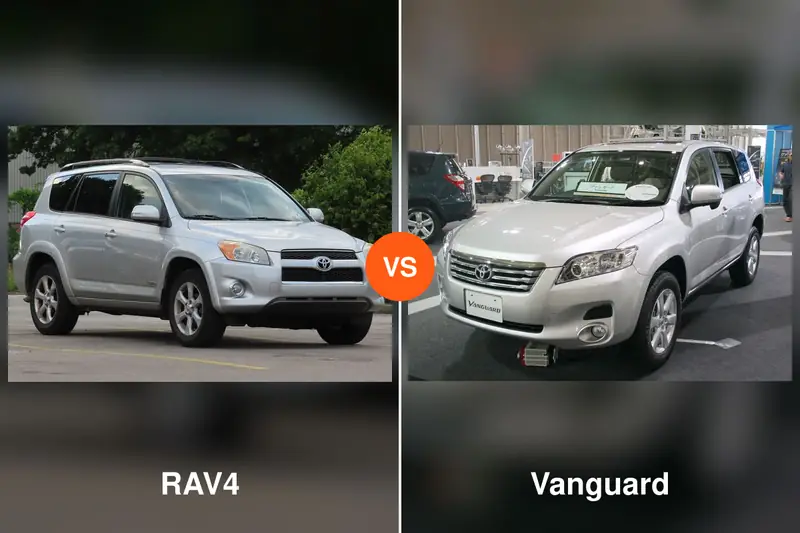 Toyota RAV4 vs Vanguard: what’s the difference?Comparison
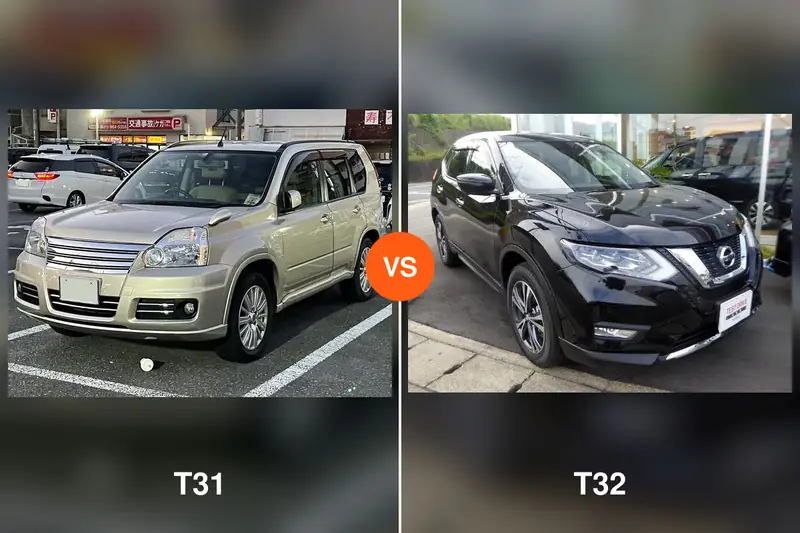 Nissan X-Trail T31 vs T32: which should you buy?Comparison
- New car buyers in Kenya: how to choose, check and pay for your first car (2026)Buying guide
- New car owners in Kenya: what to do in your first 30 days (2026)Owner guide
- NTSA car transfer in Kenya: fees, documents and steps (2026)Paperwork
- How to sell a used car in Nairobi or anywhere in Kenya (2026)Selling guide
- How to sell your car directly to a buyer in Kenya, without brokersSelling guide
- Kenya’s car import age limit: the 8-year rule explained (2026)Import rules
- Which cars qualify for Uber and Bolt in Kenya? (2026)Buying guide
- Buying a car from Kisumu, Nakuru or Eldoret when the yards are in NairobiBuying guide
- Sell cars online in Kenya: the free car dealer marketplaceFor car dealers
- Car showroom software for Kenyan dealers: Dealer DeskFor car dealers
- How to sell imported cars faster in Nairobi and MombasaFor car dealers
Keep learning
- Car terms A–Z — every word you’ll hear at the yard
- Japan auction sheet decoder — what grades and damage codes mean
- Car specs database — look up any car
- Spec Coach quiz — find the specs you need
- Best cars in Kenya — ranked by budget and need