Toyota Vanguard specs, fuel consumption & ground clearance
The Toyota Vanguard in Kenya: 2 versions from 2003–2013, 150–170 hp, 11.6–12.5 km/L, 180–190 mm ground clearance.
Updated
All versions at a glance
| Version | Power | Torque | Clearance | Economy | Fuel / month* |
|---|---|---|---|---|---|
2.0L 4-cyl (XU20) 2.0L 1AZ-FE inline-4 · Automatic · FWD · 2003–2013 | 150 hp | 180 Nm | 180 mm | 12.5 km/L | KES 27,200 |
2.4L 4-cyl (XA30) 2.4L 2AZ-FE inline-4 · CVT · 4WD · 2005–2013 | 170 hp | 224 Nm | 190 mm | 11.6 km/L | KES 29,300 |
*1,500 km a month at KES 226.96 per litre of petrol (EPRA Nairobi, 15 Oct – 14 Nov 2026) (diesel: KES 227.76/L). Typical factory figures — individual cars vary.
Toyota Vanguard 2.0L 4-cyl (2003–2013)
Generation XU20 · 2003–2013 · source: GariAI lookup of manufacturer data
- Power
- 150 hp
- Torque
- 180 Nm
- Engine
- 2.0L 4-cyl (2.0L 1AZ-FE inline-4)
- Engine size
- 1,998 cc
- Cylinders
- 4
- Fuel
- Petrol
- Transmission
- Automatic
- Drivetrain
- FWD
- Ground clearance
- 180 mm
- Fuel economy
- 12.5 km/L
- Fuel tank
- 60 litres
- Weight
- 1,500 kg
- Seats
- 5
- 0–100 km/h
- 10.5 s
Kenya Fit
- Parts everywhereToyota spares are sold in every town and on Kirinyaga Road, and every mechanic knows them.
What it means in plain English
Power — 150 hp, “Confident”. The Kenyan sweet spot: safe, quick overtakes on Nairobi–Nakuru with room to spare when fully loaded.
Torque — 180 Nm, “Moderate”. Pulls a family car well. You will hear the engine work up the Kikuyu–Limuru escarpment.
Ground clearance — 180 mm, “Raised”. Handles most estate roads, speed bumps and the odd murram stretch.
Fuel economy — 12.5 km/L, “Average”. Typical for an SUV or larger saloon. At KES 226.96 per litre of petrol (EPRA Nairobi, 15 Oct – 14 Nov 2026), 1,000 km costs about KES 18,200, 1,500 km about KES 27,200 and 2,500 km about KES 45,400.
Engine — 4 cylinders, “Kenya’s workhorse”. Smooth enough, economical, and strong when turbocharged — especially as a diesel. Parts on every street in Kirinyaga Road, and every mechanic knows them. The safest first-car choice.
The 2008 Toyota Vanguard 2.0 offers a spacious, comfortable cabin with a smooth VVT‑i engine and reliable automatic transmission. Its generous ground clearance and FWD layout handle Kenya’s varied roads, while fuel consumption stays economical for a midsize SUV. Standard comforts such as climate control, leather upholstery and a decent infotainment setup make it practical for families and business use alike.
Toyota Vanguard 2.4L 4-cyl (2005–2013)
Generation XA30 · 2005–2013 · source: GariAI lookup of manufacturer data
- Power
- 170 hp
- Torque
- 224 Nm
- Engine
- 2.4L 4-cyl (2.4L 2AZ-FE inline-4)
- Engine size
- 2,362 cc
- Cylinders
- 4
- Fuel
- Petrol
- Transmission
- CVT
- Drivetrain
- 4WD
- Ground clearance
- 190 mm
- Fuel economy
- 11.6 km/L
- Fuel tank
- 60 litres
- Weight
- 1,580 kg
- Seats
- 7
- 0–100 km/h
- 10.5 s
Kenya Fit
- 7 seatsRoom for 7 — school runs, family trips and upcountry visits.
- Parts everywhereToyota spares are sold in every town and on Kirinyaga Road, and every mechanic knows them.
What it means in plain English
Power — 170 hp, “Confident”. The Kenyan sweet spot: safe, quick overtakes on Nairobi–Nakuru with room to spare when fully loaded.
Torque — 224 Nm, “Moderate”. Pulls a family car well. You will hear the engine work up the Kikuyu–Limuru escarpment.
Ground clearance — 190 mm, “Raised”. Handles most estate roads, speed bumps and the odd murram stretch.
Fuel economy — 11.6 km/L, “Average”. Typical for an SUV or larger saloon. At KES 226.96 per litre of petrol (EPRA Nairobi, 15 Oct – 14 Nov 2026), 1,000 km costs about KES 19,600, 1,500 km about KES 29,300 and 2,500 km about KES 48,900.
Engine — 4 cylinders, “Kenya’s workhorse”. Smooth enough, economical, and strong when turbocharged — especially as a diesel. Parts on every street in Kirinyaga Road, and every mechanic knows them. The safest first-car choice.
The 2007 Toyota Vanguard is a popular mid-size SUV in Kenya, prized for its versatile 7-seater configuration and raised ground clearance that handles rough Kenyan roads with ease. It shares its platform with the RAV4 but offers a longer wheelbase and an extra row of seats, making it highly practical for larger families. Powered by reliable petrol engines, it boasts manageable maintenance and good spare parts availability locally, though fuel economy is average for city driving.
Toyota Vanguard for sale now
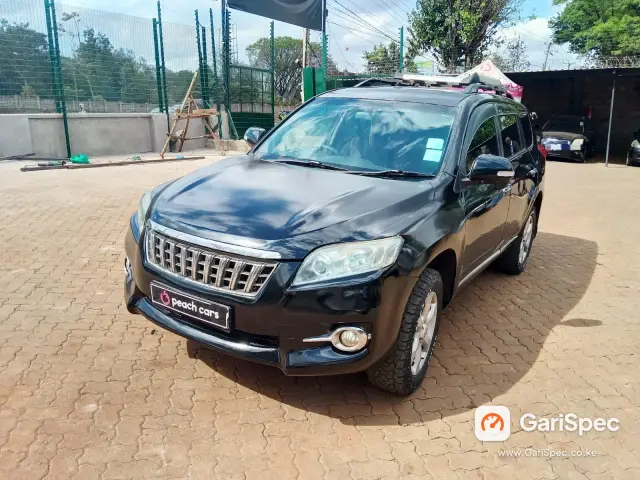 2011 Toyota Vanguard 24L 240SKES 1,525,500 · 303,488 km · Petrol · Nairobi170 hp · 224 Nm · 2.4L 4-cyl✓ Accurate specs
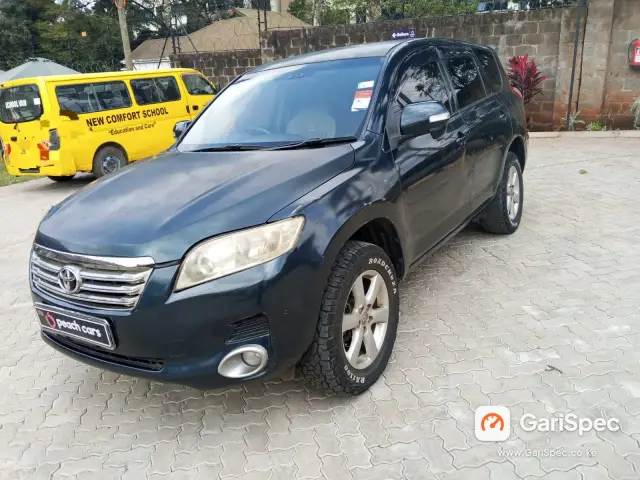 2007 Toyota Vanguard 24L 240SKES 850,000 · 266,774 km · Petrol · Nairobi170 hp · 224 Nm · 2.4L 4-cyl✓ Accurate specs
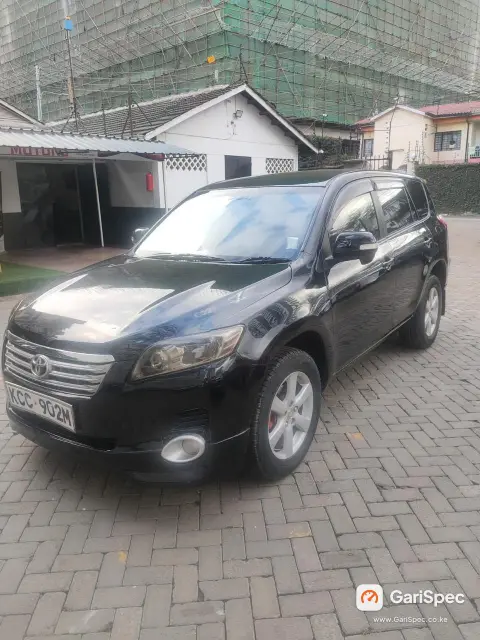 2008 Toyota VanguardKES 1,350,000 · 102,000 km · Petrol · Nairobi150 hp · 180 Nm · 2.0L 4-cyl
- 2011 Toyota VanguardKES 1,750,000 · 242,401 km · Petrol · Nairobi170 hp · 224 Nm · 2.4L 4-cyl
- 2012 Toyota Vanguard 24L 240SKES 1,921,000 · 130,633 km · Petrol · Nairobi152 hp · 200 Nm · 2.4L 4-cyl
- 2012 Toyota Vanguard 24 L G PackageKES 1,700,000 · 104,683 km · Petrol · Nairobi173 hp · 231 Nm · 2.4L 4-cyl
- 2010 Toyota Vanguard 24 L G PackageKES 1,680,000 · 261,683 km · Petrol · Nairobi166 hp · 224 Nm · 2.4L 4-cyl
- 2010 Toyota Vanguard 24L 240SKES 1,482,000 · 161,843 km · Petrol · Nairobi158 hp · 225 Nm · 2.4L 4-cyl
- 2009 Toyota Vanguard 24L 240SKES 1,368,000 · 183,740 km · Petrol · Nairobi167 hp · 224 Nm · 2.4L 4-cyl
- 2007 Toyota Vanguard 24L 240SKES 1,140,000 · 140,076 km · Petrol · Nairobi169 hp · 224 Nm · 2.4L 4-cyl
Frequently asked questions
How much horsepower does the Toyota Vanguard have?
Depending on the version, the Toyota Vanguard makes 150–170 hp — 2.0L 4-cyl (2003–2013): 150 hp and 180 Nm; 2.4L 4-cyl (2005–2013): 170 hp and 224 Nm. The Kenyan sweet spot: safe, quick overtakes on Nairobi–Nakuru with room to spare when fully loaded.
What is the Toyota Vanguard’s fuel consumption per km?
2.0L 4-cyl: 12.5 km/L (8 L/100 km) — about KES 18.2 per km (≈ KES 27,200 a month for 1,500 km); 2.4L 4-cyl: 11.6 km/L (8.6 L/100 km) — about KES 19.6 per km (≈ KES 29,300 a month for 1,500 km). Costs use KES 226.96 per litre of petrol (EPRA Nairobi, 15 Oct – 14 Nov 2026) and diesel at KES 227.76/L. These are factory figures — Nairobi traffic uses more.
What is the ground clearance of the Toyota Vanguard?
About 180 mm (18 cm) to 190 mm (19 cm). Handles most estate roads, speed bumps and the odd murram stretch.
What engine does the Toyota Vanguard use?
The Toyota Vanguard in Kenya comes with: 2.0L 1AZ-FE inline-4; 2.4L 2AZ-FE inline-4. Parts on every street in Kirinyaga Road, and every mechanic knows them. The safest first-car choice.
Is the Toyota Vanguard 2WD, AWD or 4WD?
Versions sold in Kenya are FWD, 4WD. The 4WD versions have low-range gears for steep, rough tracks.
Are Toyota Vanguard spare parts available in Kenya?
Toyota parts are sold in every town and on Kirinyaga Road in Nairobi, and most mechanics know the brand well.
How many seats does the Toyota Vanguard have?
5–7 seats.
Related
- Spec School — what every spec means
- Import a Toyota Vanguard — KRA duty and landed cost
Typical factory figures for each version; versions marked “GariAI lookup” come from manufacturer data and haven’t been checked by our team yet. Individual cars vary with trim, market and condition — confirm against the car’s documents and auction sheet. Spot a mistake? Tell us.