Toyota Tank specs, fuel consumption & ground clearance
The Toyota Tank in Kenya: 1 version from 2016–2020, 69 hp, 22 km/L, 130 mm ground clearance.
Updated
All versions at a glance
| Version | Power | Torque | Clearance | Economy | Fuel / month* |
|---|---|---|---|---|---|
1.0L 3-cyl (M900A) 1.0L 1KR-FE inline-3 · CVT · FWD · 2016–2020 | 69 hp | 92 Nm | 130 mm | 22 km/L | KES 15,500 |
*1,500 km a month at KES 226.96 per litre of petrol (EPRA Nairobi, 15 Oct – 14 Nov 2026) (diesel: KES 227.76/L). Typical factory figures — individual cars vary.
Toyota Tank 1.0L 3-cyl (2016–2020)
Generation M900A · 2016–2020 · source: GariAI lookup of manufacturer data
- Power
- 69 hp
- Torque
- 92 Nm
- Engine
- 1.0L 3-cyl (1.0L 1KR-FE inline-3)
- Engine size
- 996 cc
- Cylinders
- 3
- Fuel
- Petrol
- Transmission
- CVT
- Drivetrain
- FWD
- Ground clearance
- 130 mm
- Fuel economy
- 22 km/L
- Fuel tank
- 36 litres
- Weight
- 1,070 kg
- Seats
- 5
Kenya Fit
- Fuel saver22 km/L — about KES 15,500 a month for 1,500 km at today’s pump price.
- Parts everywhereToyota spares are sold in every town and on Kirinyaga Road, and every mechanic knows them.
- Low — mind the bumpsOnly 130 mm of ground clearance: take bumps slowly, at an angle, and avoid deep ruts.
What it means in plain English
Power — 69 hp, “Gentle”. Plenty for town. Plan highway overtakes carefully — especially with a full car and the AC on.
Torque — 92 Nm, “Light”. Fine for a light car in town. It will feel strained climbing hills with passengers.
Ground clearance — 130 mm, “Low”. Will scrape on many Kenyan bumps and potholes. Best kept on smooth tarmac.
Fuel economy — 22 km/L, “Very frugal”. Among the cheapest cars to run in Kenya. Ideal for Uber/Bolt and long commutes. At KES 226.96 per litre of petrol (EPRA Nairobi, 15 Oct – 14 Nov 2026), 1,000 km costs about KES 10,300, 1,500 km about KES 15,500 and 2,500 km about KES 25,800.
Engine — 3 cylinders, “The frugal trio”. Light and nimble with a slight thrum at idle. Happiest in town. Very low fuel use, cheap parts. Feels breathless on long hills when loaded.
The Toyota Tank is a highly practical compact multi-purpose vehicle that has gained immense popularity among Kenyan motorists for its clever space utilization and exceptional urban maneuverability. Powered by an economical 1.0-litre engine, it offers impressively low running costs and great fuel efficiency, making it an ideal daily commuter for Nairobi traffic. Its boxy design maximizes interior cabin room, providing sliding doors and flexible seating arrangements that make family transport and light commercial errands effortless.
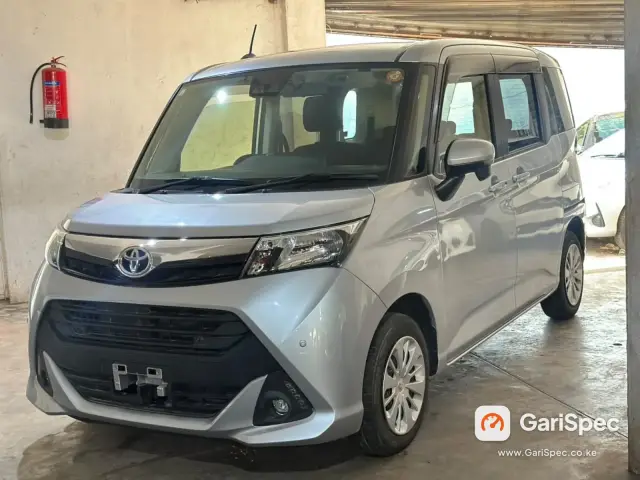
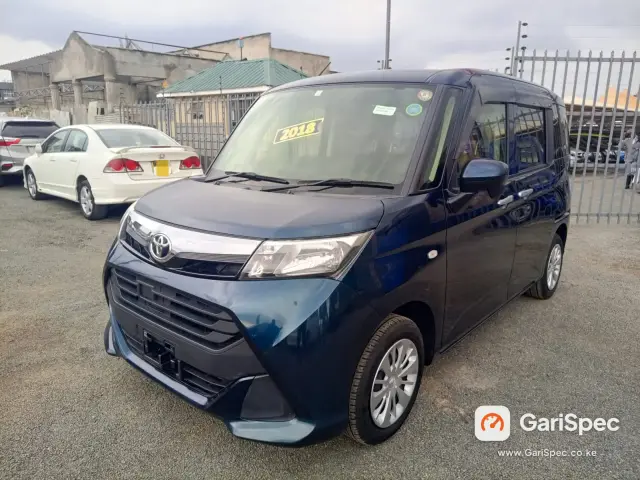
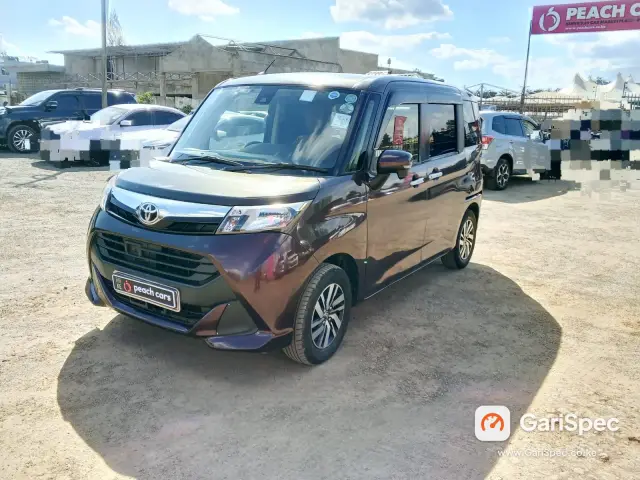
Toyota Tank for sale now
Frequently asked questions
How much horsepower does the Toyota Tank have?
Depending on the version, the Toyota Tank makes 69 hp — 1.0L 3-cyl (2016–2020): 69 hp and 92 Nm. Plenty for town. Plan highway overtakes carefully — especially with a full car and the AC on.
What is the Toyota Tank’s fuel consumption per km?
1.0L 3-cyl: 22 km/L (4.5 L/100 km) — about KES 10.3 per km (≈ KES 15,500 a month for 1,500 km). Costs use KES 226.96 per litre of petrol (EPRA Nairobi, 15 Oct – 14 Nov 2026) and diesel at KES 227.76/L. These are factory figures — Nairobi traffic uses more.
What is the ground clearance of the Toyota Tank?
About 130 mm (13 cm). Will scrape on many Kenyan bumps and potholes. Best kept on smooth tarmac.
What engine does the Toyota Tank use?
The Toyota Tank in Kenya comes with: 1.0L 1KR-FE inline-3. Very low fuel use, cheap parts. Feels breathless on long hills when loaded.
Is the Toyota Tank 2WD, AWD or 4WD?
Versions sold in Kenya are FWD. Two-wheel drive is fine on tarmac and light murram.
Are Toyota Tank spare parts available in Kenya?
Toyota parts are sold in every town and on Kirinyaga Road in Nairobi, and most mechanics know the brand well.
How many seats does the Toyota Tank have?
5 seats.
Related
- Spec School — what every spec means
- Import a Toyota Tank — KRA duty and landed cost
Typical factory figures for each version; versions marked “GariAI lookup” come from manufacturer data and haven’t been checked by our team yet. Individual cars vary with trim, market and condition — confirm against the car’s documents and auction sheet. Spot a mistake? Tell us.